At the doorstep of the Orient: Venice

<<  <  >  >> 


The actual birth of the cosmetological [1] literature took place in Venice. Indeed, due to its geographical location “at the doorstep of the Orient,” La Serenissima was a strategic place to collect and study cosmetic substances from all over the world: ceruse, cinnabar, Himalayan musk, sandalwood from the Indies, Chinese camphor, East African and Arabian myrrh, saffron from the East, etc.

More generally, since Antiquity, the commercial relationships between the East and the West have contributed to maintain and diversify the exchanges of both raw materials and know-how.

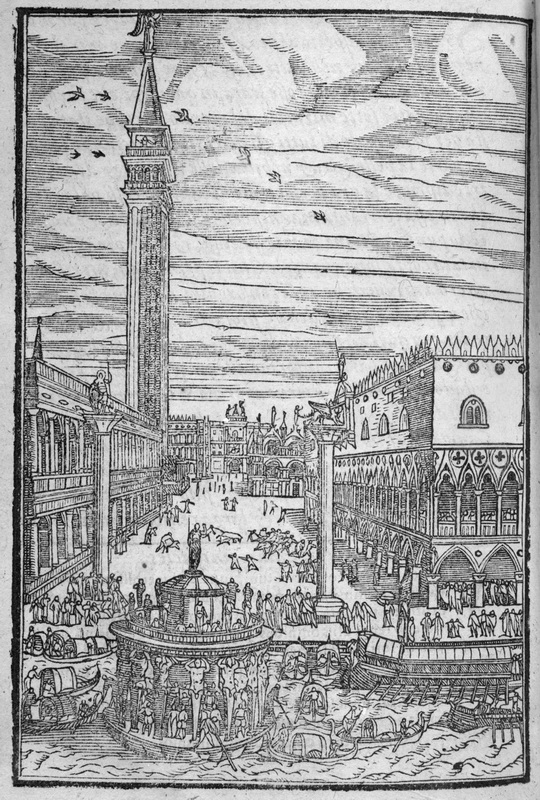


The Piazza San Marco in Venice. Cesare Vecellio. Habiti antichi et moderni di tutti il mondo. Venise: Sessa, 1598.
 
BIU Santé Médecine : cote 39785.
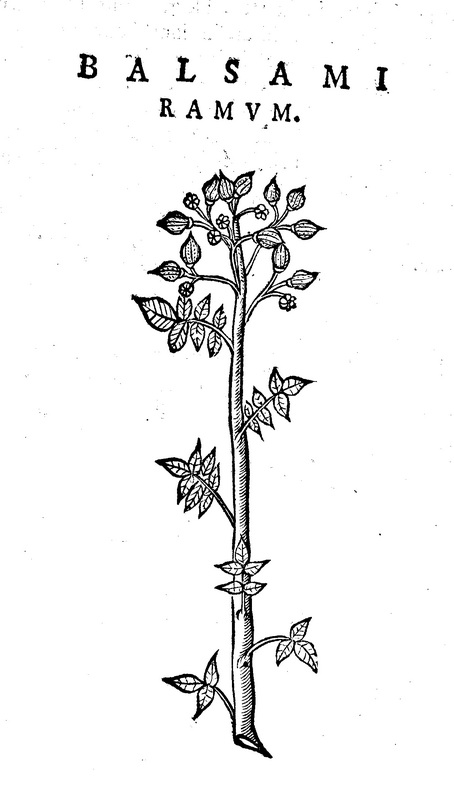
"Balm". Prosper Alpin. De balsamo dialogus … Venise: Sub Signum Leonis, 1591.
This document is freely available
BIU Santé Médecine : cote 72438(10).
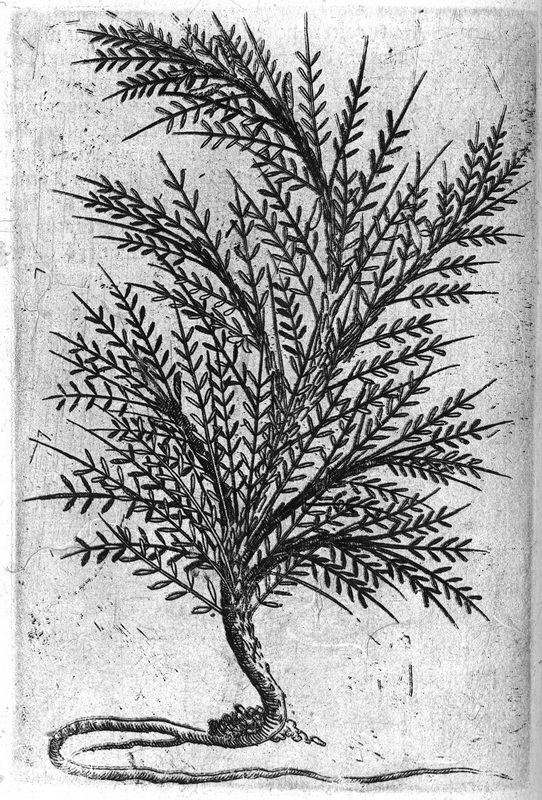
"Dracaena Gumtree". Prosper Alpin. De plantis exoticis Libri duo… Venise: Johanum Guerilium, 1627.
This document is freely available
BIU Santé Médecine : cote 7479.


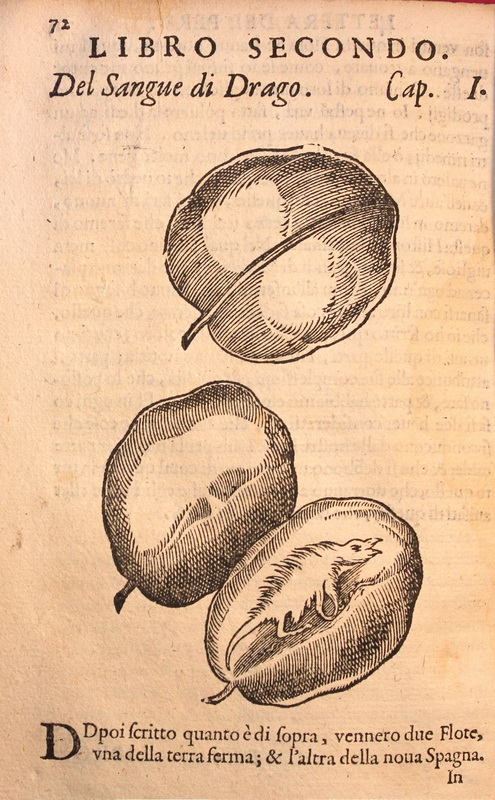
"Dragon’s Blood". Garzia dall’Horto. Dell’Historia de i simplici aromati, e altre cose che vengono portate dall’Indie Orientali pertinenti all’uso della medicina… Venetia: Heredi di Francesco Zilletti, 1589.
 
BIU Santé Pharmacie : cote RES 13982.
× Cosmetic : according to article L.5131-1 of the French Public Health Code, a cosmetic product is “a substance or preparation designed to come into contact with various surfaces of the human body, including the epidermis, hair, nails, lips and genitalia, or with the teeth and oral mucus, for the exclusive or primary purpose of cleaning them, perfuming them, modifying their aspect, protecting them, maintaining their condition or correcting their odors.”