Research and innovation on “products”
|
<< < > >> |

|
In spite of the 1870 defeat and the horror of the Great War, science progressed and conquered people’s minds. Notions such as chemical equations [1], optical isomerism [2],
bacteria, superficial tension [3], emulsification, synthetic coloring agents, etc., allowed new, more sophisticated products to come to light. In 1879, Roger et Gallet, using the so-called
“cauldron” method, invented the first round soap. Around 1900, glycerin, a by-product of saponification discovered by Chevreul, was added to creams with alkaline stearates – which, dry the skin. Creams were protected from
bacterial contaminations with the reinforcement of specific essential oils whose antimicrobial properties had recently been discovered.
|
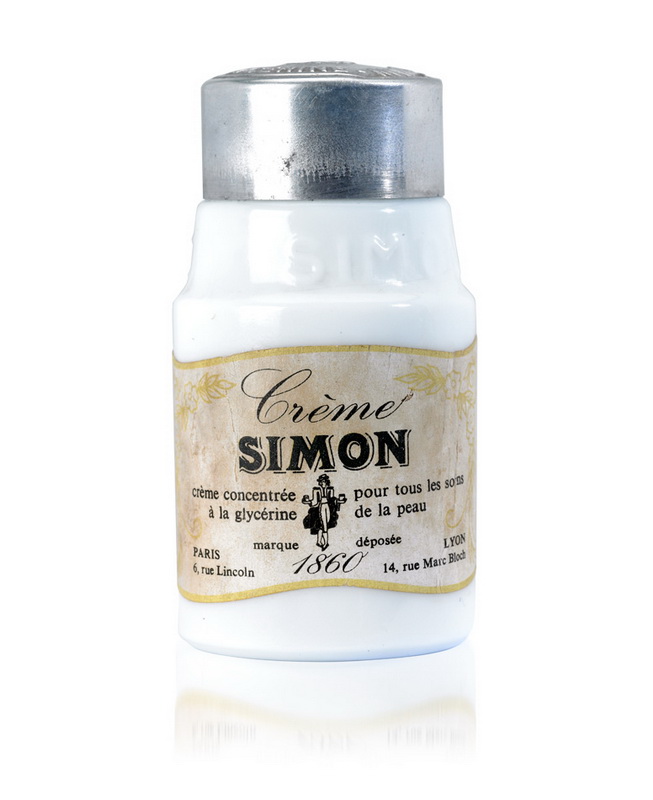
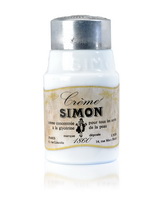
"Crème Simon" with glycerin. The "Crème Simon" is a french brand, created and patented in 1860 by Lyons pharmacist Joseph Simon.
|
| |
| © Collection privée. |
|
|
|
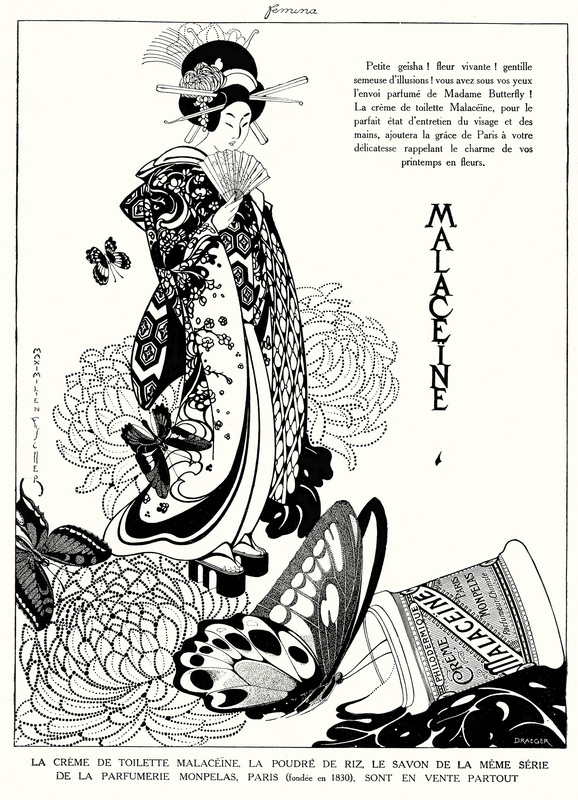
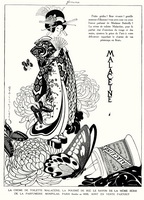
Advertising for "Malacéïne" cream.
|
| |
| © Collection privée. |
|
|
|
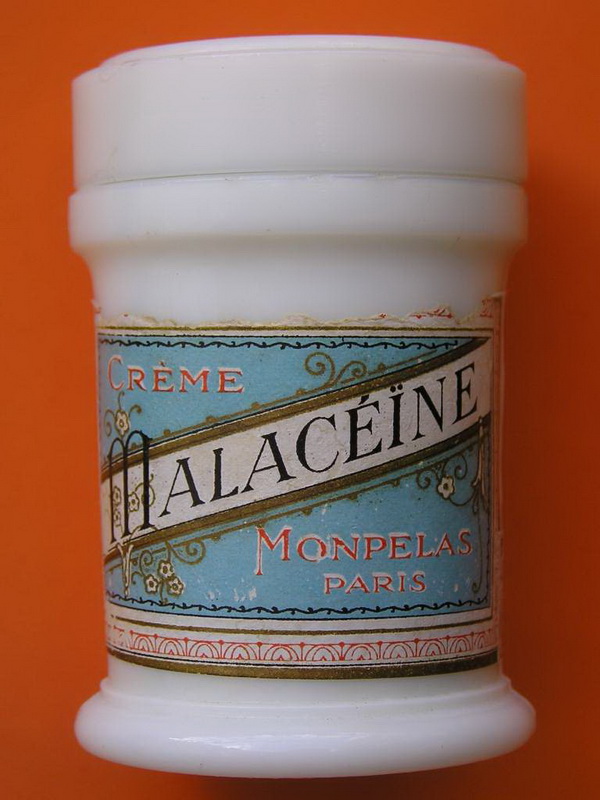
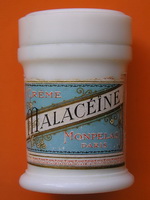
"Malacéïne" cream from Monpelas Perfume House (Paris).
|
| |
| © Collection privée. |
|
|
|
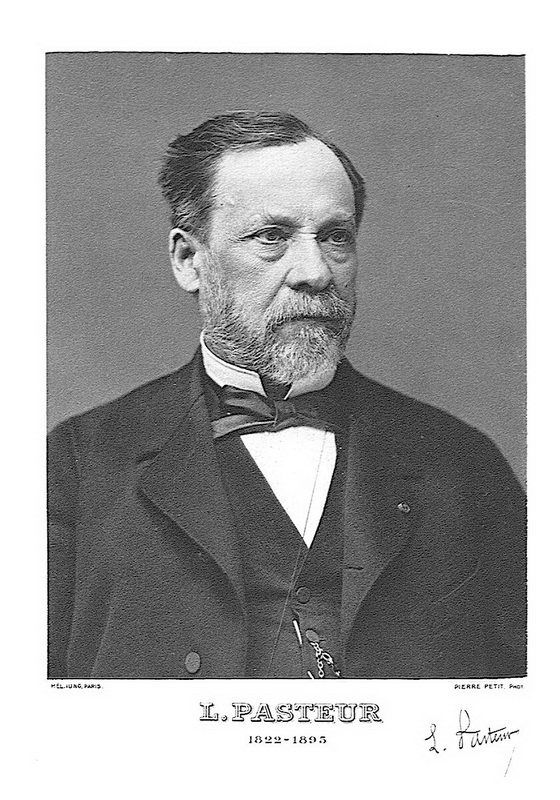
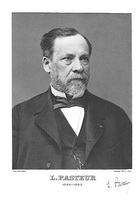
Louis Pasteur (1822-1895).
|
| |
| © Bibliothèque de l’Académie nationale de médecine. |
|
|
|
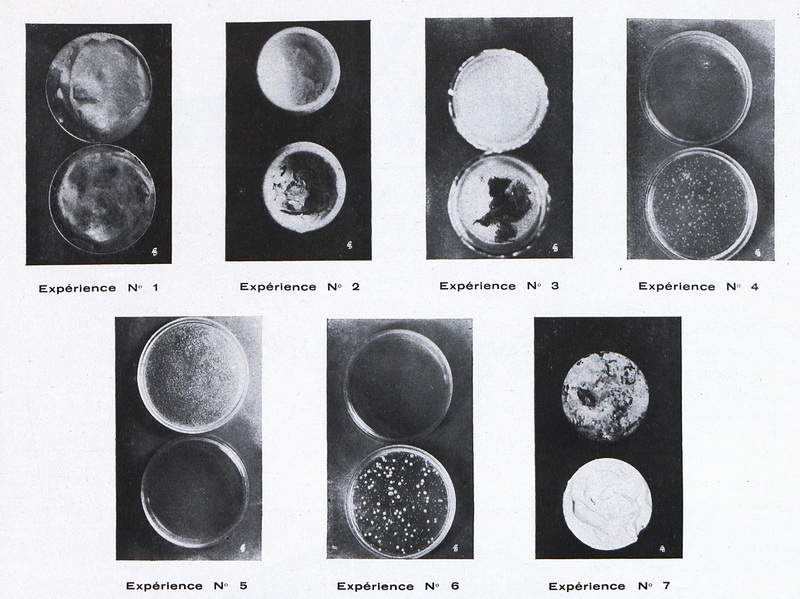
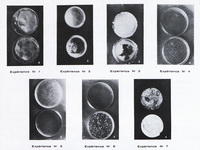
Experiences on the development of microorganisms in different kind of cosmetic products. La Parfumerie moderne, 1933.
|
| This document is freely available |
| BIU Santé Pharmacie : cote P 15270. |
|
|
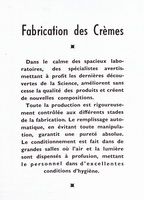
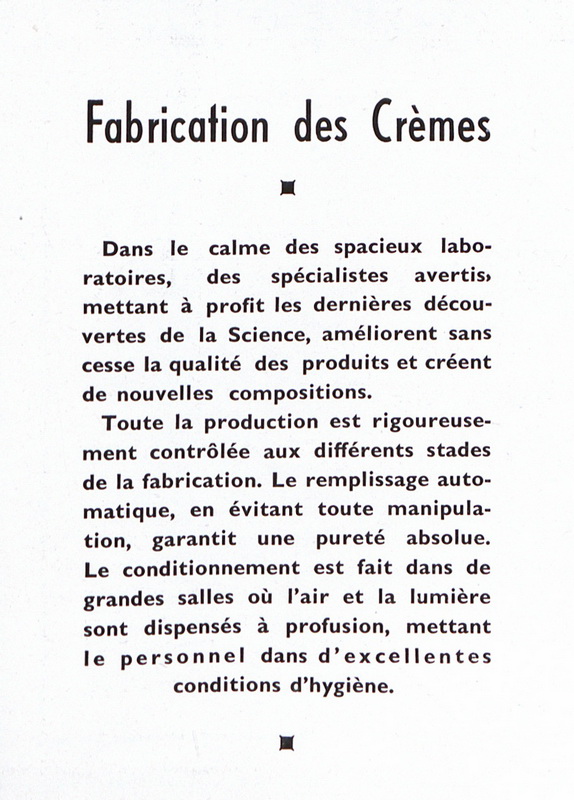
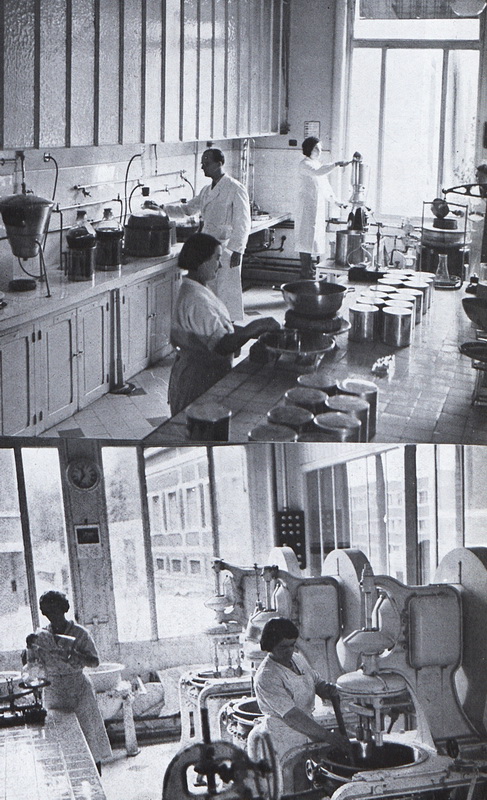
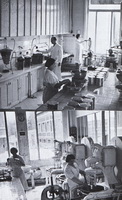
| The making of creams and hygiene at Coty "Cité des Parfums". La Parfumerie moderne, 1933. |
| |
| BIU Santé Pharmacie : cote P 15270. |
|
|
|
The making of creams and hygiene at Coty "Cité des Parfums". La Parfumerie moderne, 1933.
|
| |
| BIU Santé Pharmacie : cote P 15270. |
|
|
|