Technology transfers
|
<< < > >> |

|
|
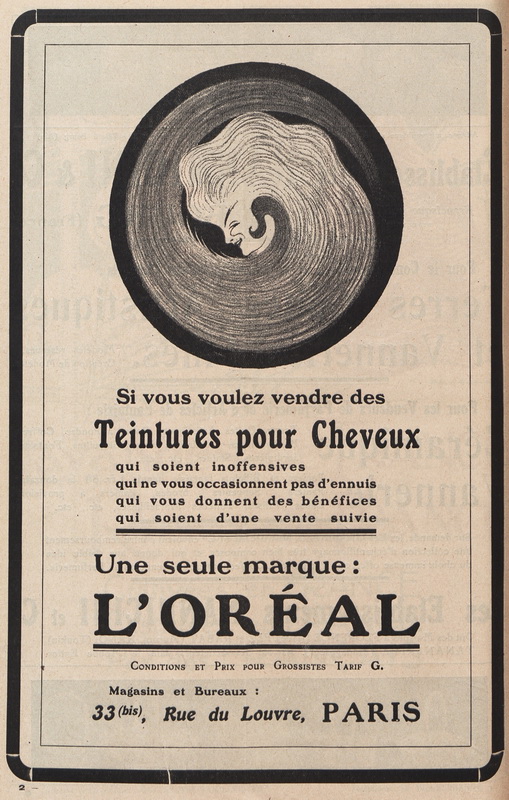
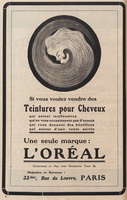
Advertising for hair dye by L'Oréal. La Parfumerie moderne, 1911.
|
| |
| BIU Santé Pharmacie : cote P 15270. |
|
|
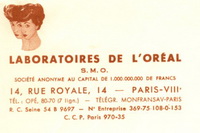
| Invoice header of L’Oréal laboratories. |
| About L'Oréal |
| © Collection privée. |
|
|
|
The first technology transfers among industries took place. A chemist, Eugène Schueller, former chief pharmaceutical assistant at the Pharmacie centrale de France, applied his knowledge of the
textile industry to capillary dyes that he sold to hairdressers. His dyes, contrary to other available products at the time, gave a natural aspect to the hair. Thus was created, in 1909, a company that was to
become L’Oréal.
|
|
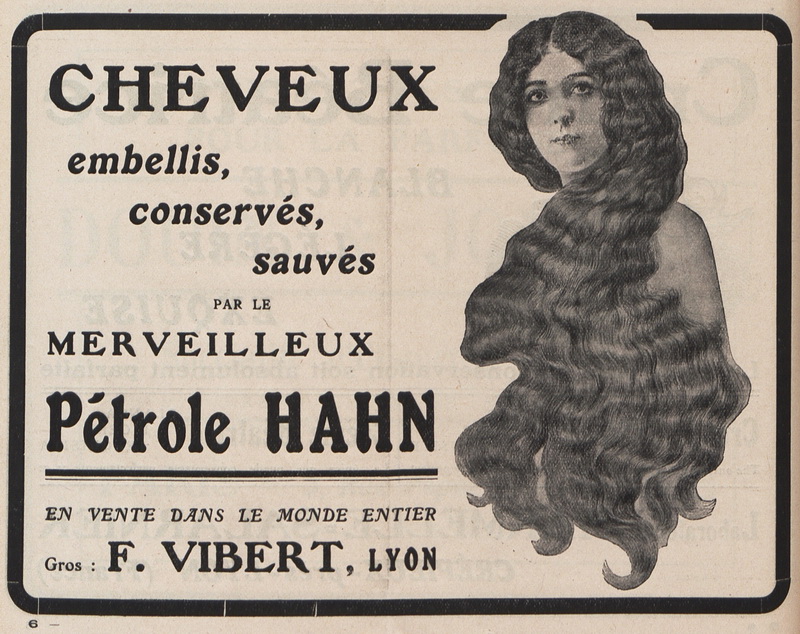
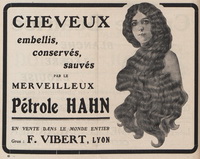
Advertising for Pétrole Hahn. La Parfumerie moderne, 1911.
|
| |
| BIU Santé Pharmacie : cote P 15270. |
|
|
Physico-chemistry made its first achievements and allowed the creation of totally new, stable, sensory, more filmogenic [1] products. After 1910 the first synthetic
substances capable of lowering the superficial tension between two immiscible liquids (water and oil), and thus of favoring their cohabitation in a relatively stable assemblage, i.e. an “emulsion”, appeared.
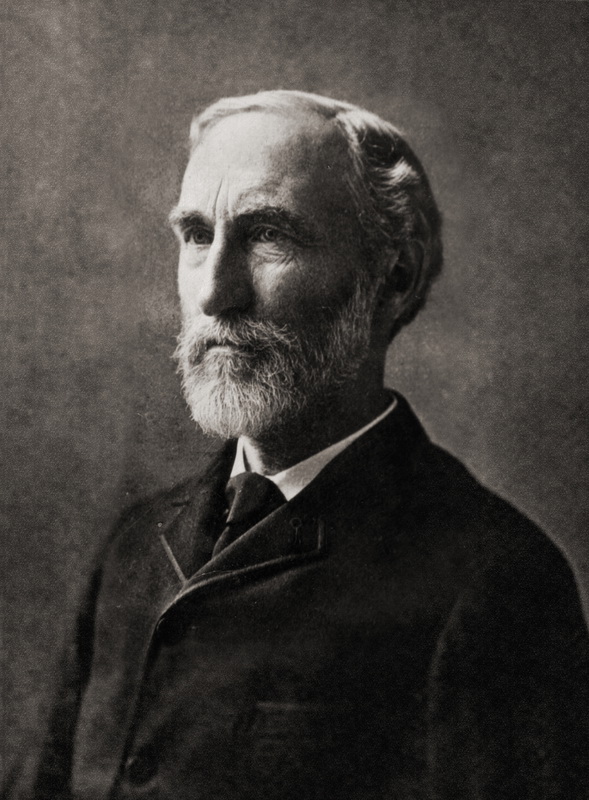
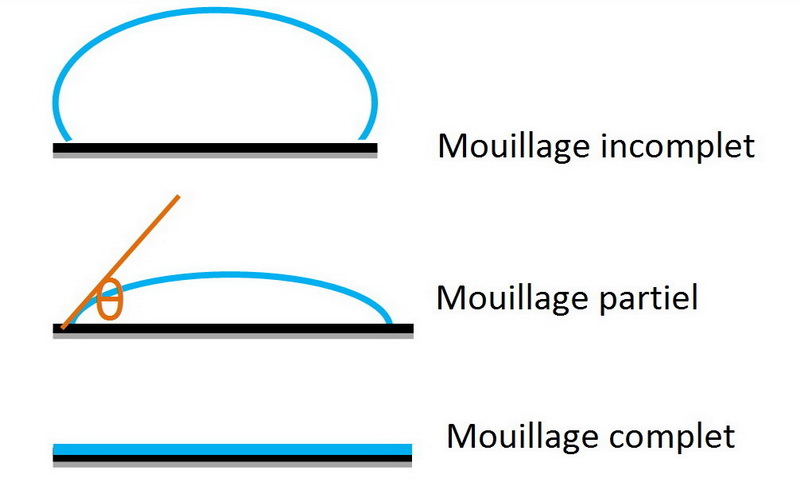
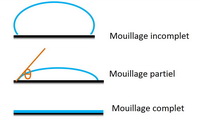
It was not until 1928, after Josiah Willard Gibbs published his work, that formula-makers integrated phenomena of wetting [2] to improve the cosmetic qualities of makeup
and creams.
|
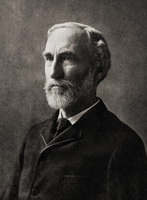
| Portrait de J.W. Gibbs.. Scientific Papers of J. Willard Gibbs, eds. H. A. Bumstead and R. G. Van Name. London and New York : Longmans, Green, and Co., 1906. |
| |
| © Yale University. |
|
|
|
Wetting phenomenon.
|
| More |
| © LVMH Recherche. |
|
|
|