An explosion of new substances (2)
|
<< < > >> |

|
|
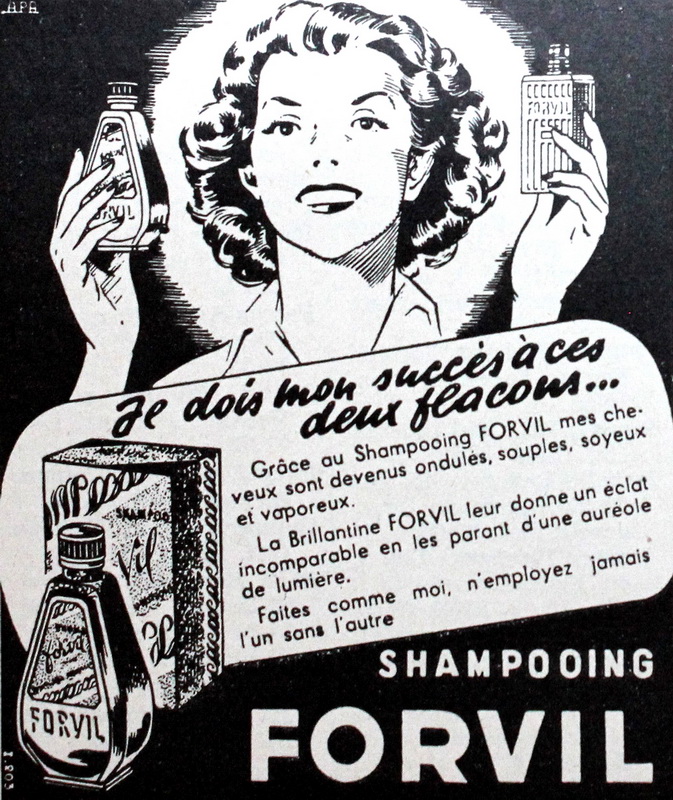
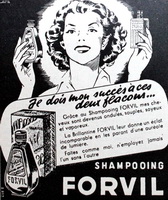
Advertising for Forvil shampoo and cream. Le Guide des industries de la parfumerie. Paris: éditions Publi-Guid, 1953-1954.
|
| |
| © BIU Santé Pharmacie : cote P 50155-1953/1954 |
|
|
|
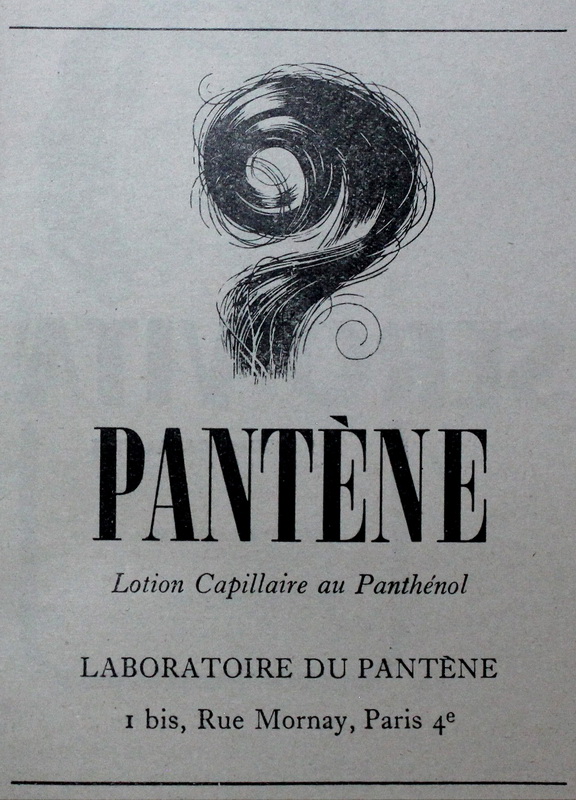
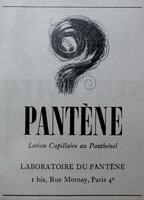
Advertising for hair lotion with panthenol compound, enriched with vitamin B for the fiber care. Le Guide des industries de la parfumerie. Paris: éditions Publi-Guid, 1953-1954.
|
| |
| BIU Santé Pharmacie : cote P 50155-1953/1954. |
|
|
Synthetic surfactant agents [1], lighter and better controlled, became the norm in shampoos. Their deep fiber-cleansing power was compensated by the use of conditioners that
provided “nutriments,” comfort and manageability of the hair. In the same period, the first effective deodorants based on aluminum chlorohydrate also appeared (1947). In the field of makeup, pearly effects due to
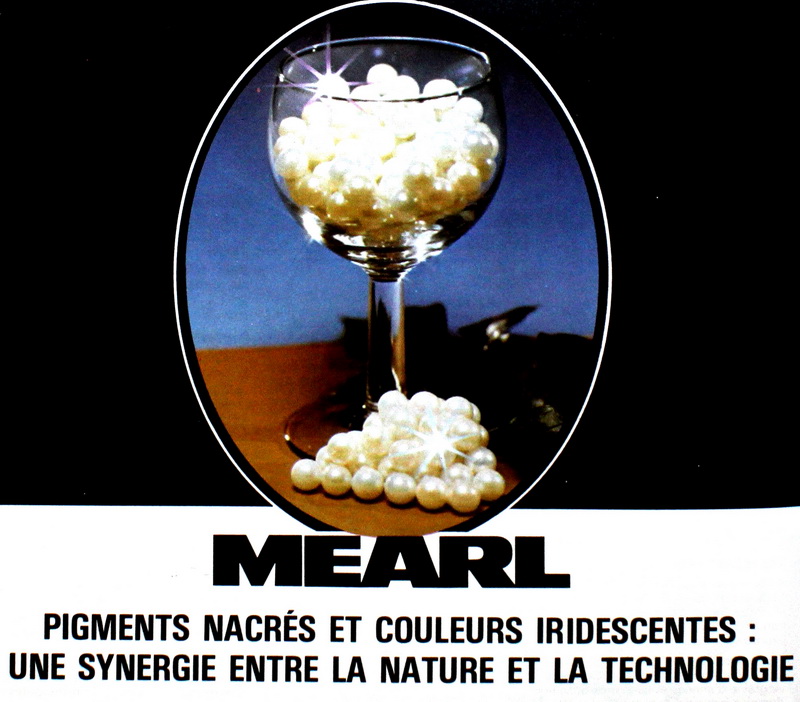
synthetic mother-of-pearl or to new applications of bismuth oxychloride revolutionized cosmetics. Products were usually declined by skin type, with products for dry, normal or oily skins.
|
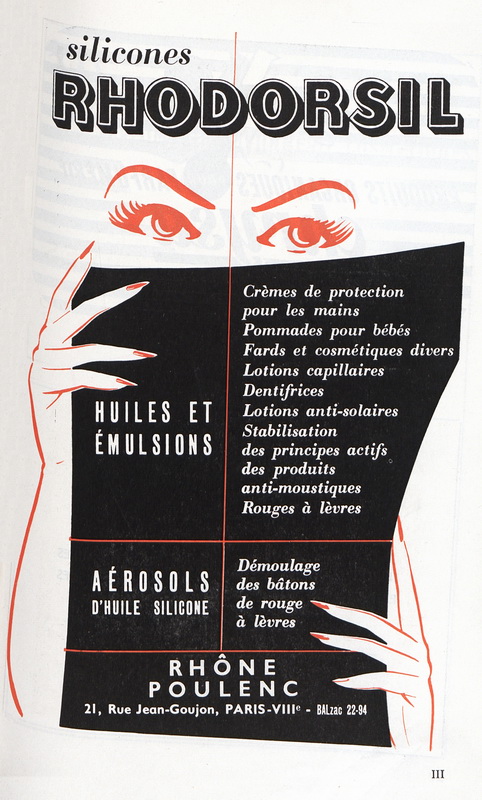
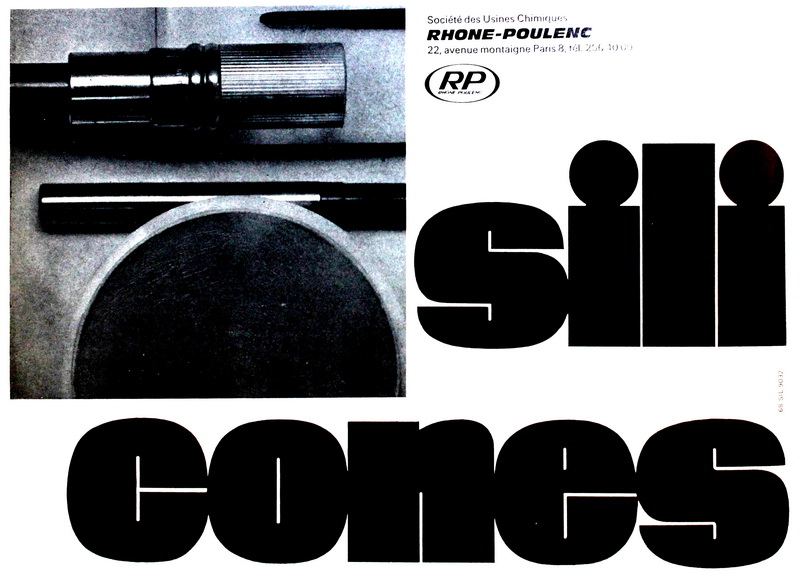
In the field of cosmetics, the first chemical uses of silicones were developed in the 1950s and 60s. Through their filmogenic properties [2], silicones provided softness to
beauty and personal care products and also allowed makeup to stay on better; it also provided powders with water-repellent properties, and brilliantines with a brighter aspect.
|
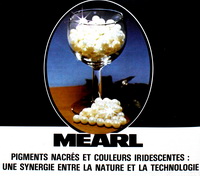
Details of an advertising for Mearl pearly pigments. Parfums, Cosmétiques, Arômes, 1985.
|
| |
| BIU Santé Pharmacie : cote P 10167. |
|
Focus on : Pearly pigments and their use in cosmetic |
|
|
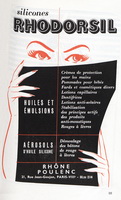
Advertising for Rhodorsil silicones. La Parfumerie moderne, 1956.
|
| |
| BIU Santé Pharmacie : cote P 15270. |
|
|
|
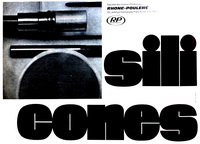
Details of an advertising for Rhône Poulenc silicones. Parfumerie, Cosmétiques, Savons, 1968.
|
| |
| BIU Santé Pharmacie : cote P 10167. |
|
|
|
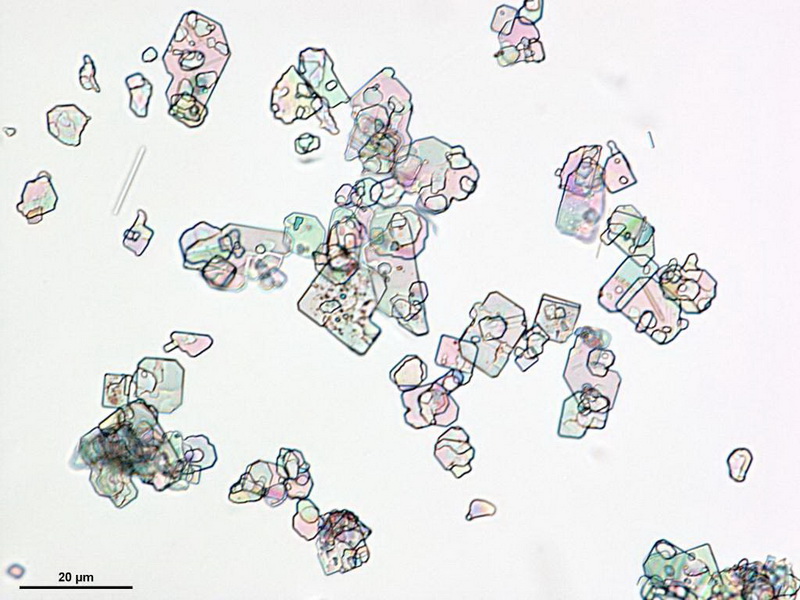
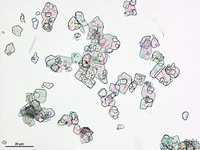
Oxychlorure of bismuth. Bismuth oxychloride Observation with optical microscope.
|
| |
| © LVMH Recherche. |
|
|
|