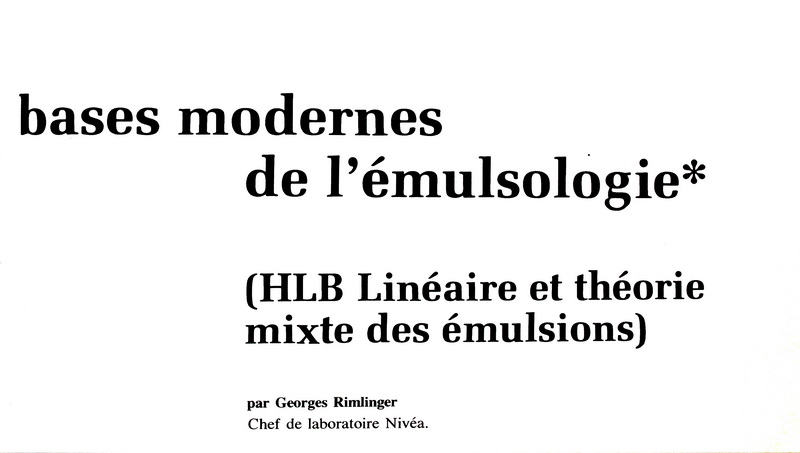
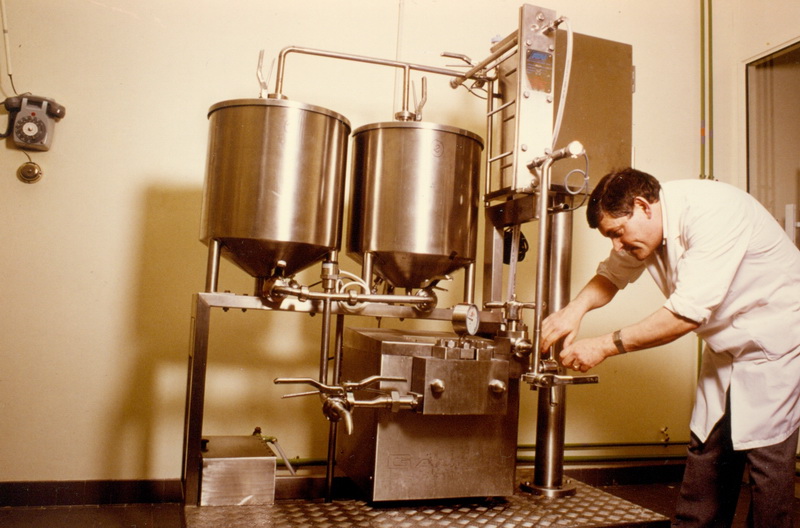
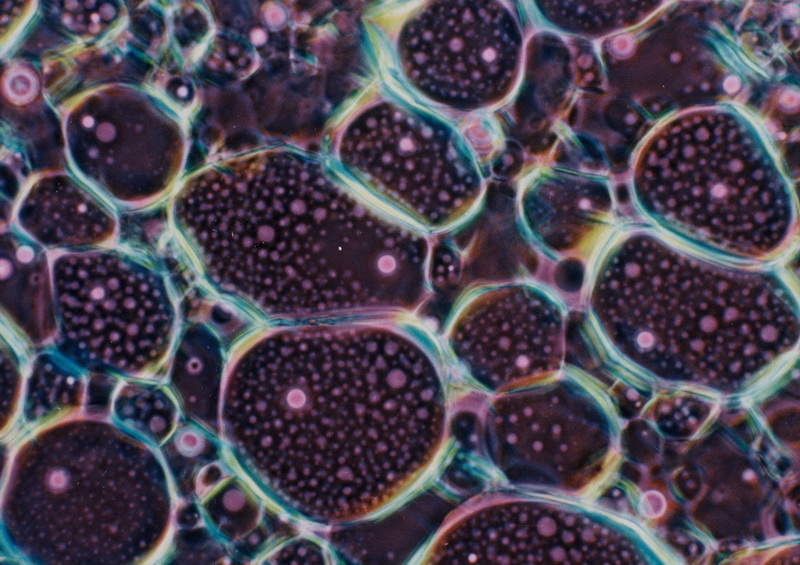
Pioneers in the physicochemical science theorized their knowledge. One of them, Georges Rimlinger, devoted himself to the physicochemitry of emulsions. As of 1957, he headed the Nivea control laboratory in Saint-Maur,
next to Paris. His considerable theoretical contributions bore on thermodynamics, the influence of mechanical work on products during fabrication, the application of the HLB (Hydrophile Lipophile Balance) method –
theoretical and real, the study of aerosol emulsions, dropping point determination, the importance of the continuous phase, etc.
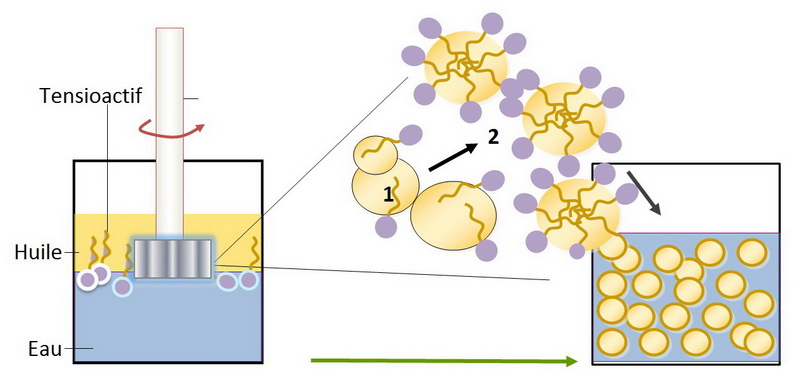
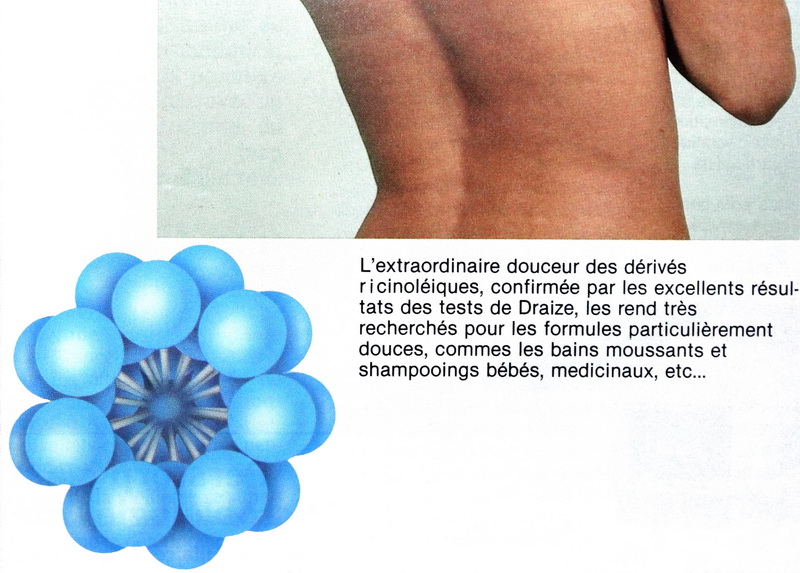
Progress in the knowledge on the biology of the skin also influenced chemistry. In 1965, a new category of surfactant agents [1] (saccharose esters or sucrose esters) made it possible to maintain the defenses of the
epidermis, its acidic pH, its hydrolipidic film and more generally the skin’s natural suppleness unaltered.