Chemistry made great progress

<<  <  >  >> 

Knowledge in chemistry also made great progress. It became known that the chemical functions that can be used to provide fragrance to a substrate are alcohol, aldehyde, ketone, phenol or ether, or mixed compounds of alcohols and phenols. As their understanding of the precise constitution of perfume oils improved, chemists attempted to reproduce them artificially and to invent new ones. The chemistry of perfumes was born.

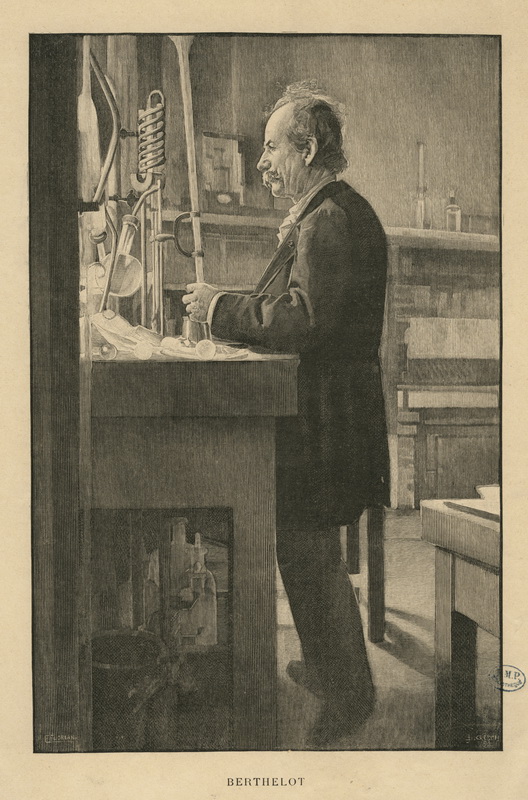
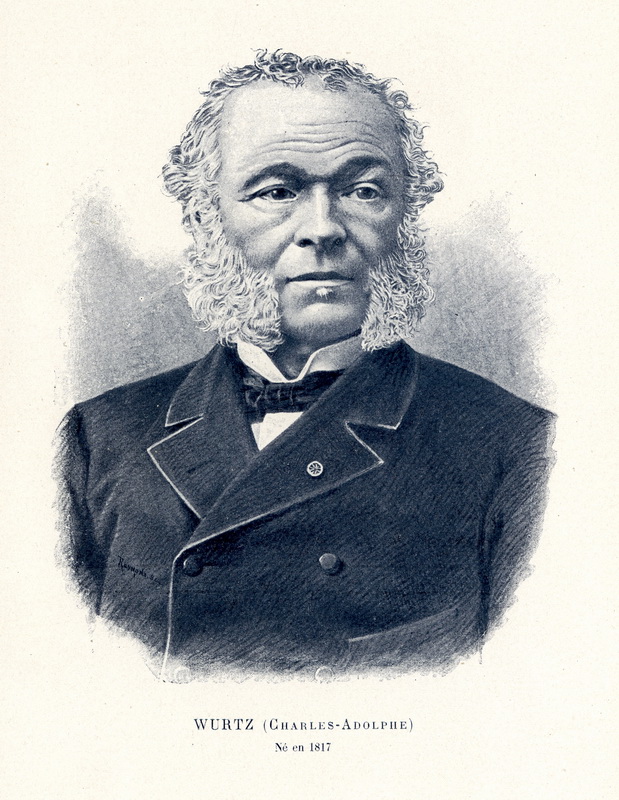
Marcellin Berthelot made the composition of fatty substances clear. Charles Wurtz discovered glycols [1]. Glycols, intermediate compounds between wine spirit (alcohols) and glycerin, revolutionized the texture and the action of cosmetic products.

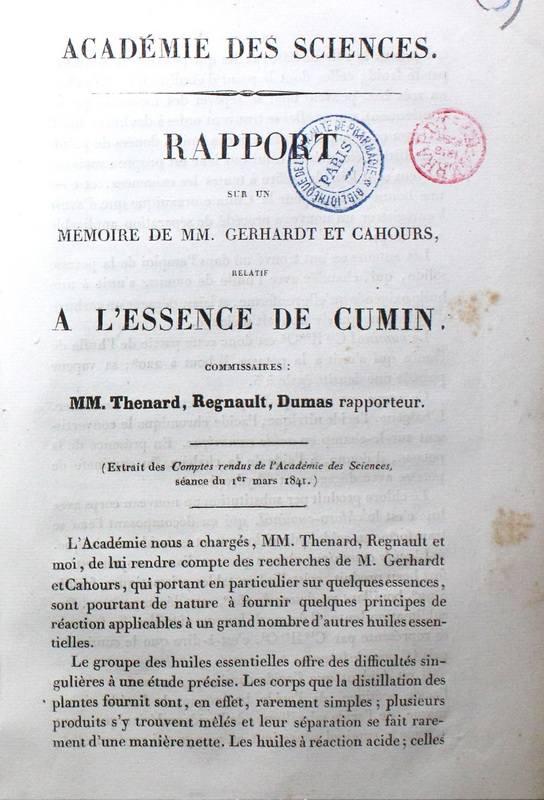
Report about the cumin essence. "Rapport sur un mémoire de M. M. Gerhardt et Cahours, relatif à l'essence de cumin", par MM. Thenard, Regnault, Dumas rapporteur, extrait des Comptes rendus de l'Académie des Sciences, séance du 1er mars 1841.

 
BIU Santé Pharmacie : cote 37401(3).

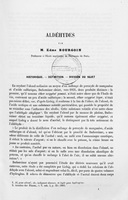
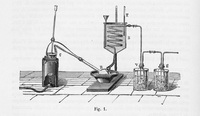
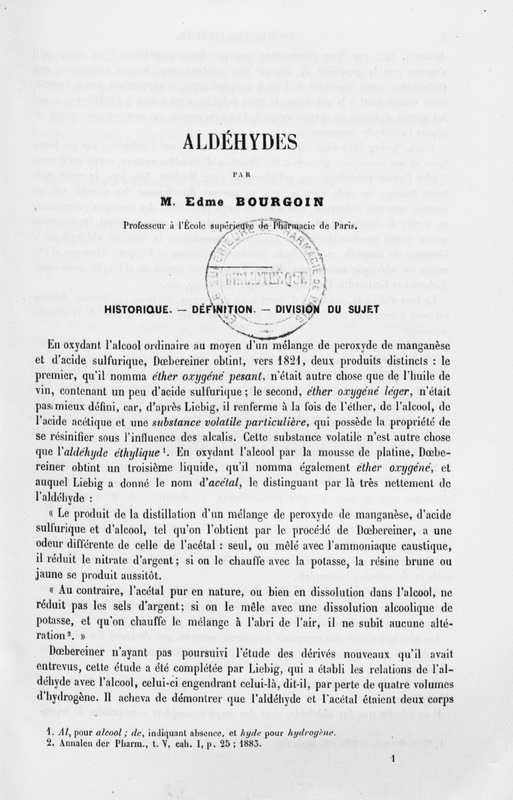
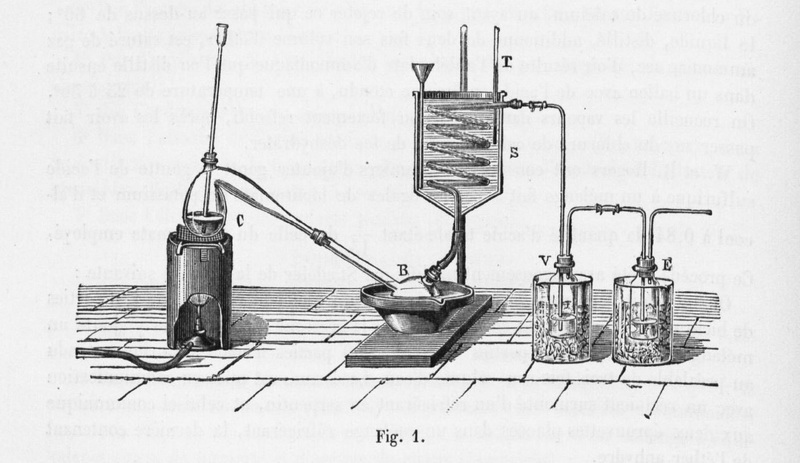
About aldehyde. "Les Aldéhydes", par Edme Bourgoin, dans l’Encyclopédie Chimique de Edmond Frémy. Paris: Dunod, 1884.

This document is freely available
BIU Santé Pharmacie : cote 18935-57.

"Les Aldéhydes", par Edme Bourgoin, dans l’Encyclopédie Chimique de Edmond Frémy. Paris: Dunod, 1884.

 
BIU Santé Pharmacie : cote 18935-57.

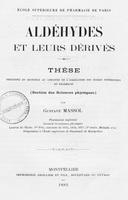
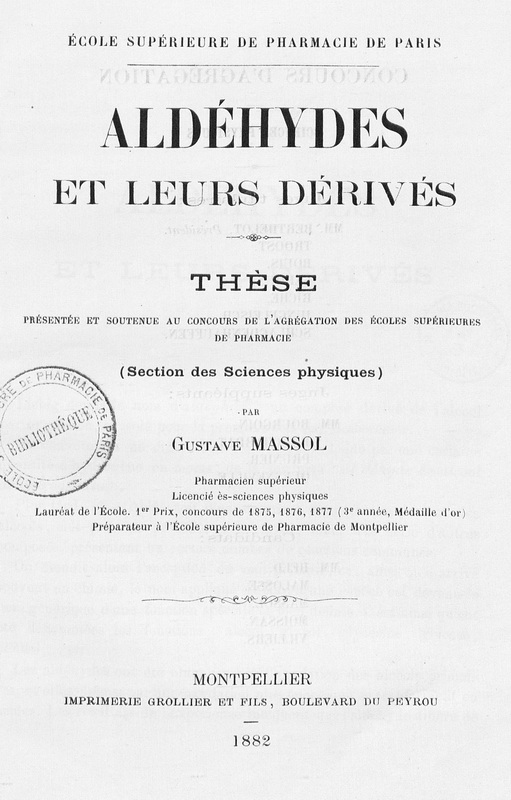
Gustave Massol. Aldéhydes et leurs dérivés. Thèse de la Faculté de pharmacie de Paris, 1882.

This document is freely available
BIU Santé Pharmacie : cote P5292-1882-03.

Marcellin Berthelot (1827-1907).

 
BIU Santé Médecine : image CIPB0089.

Charles-Adolphe Wurtz (1817-1884).

 
BIU Santé Médecine : cote 9858.

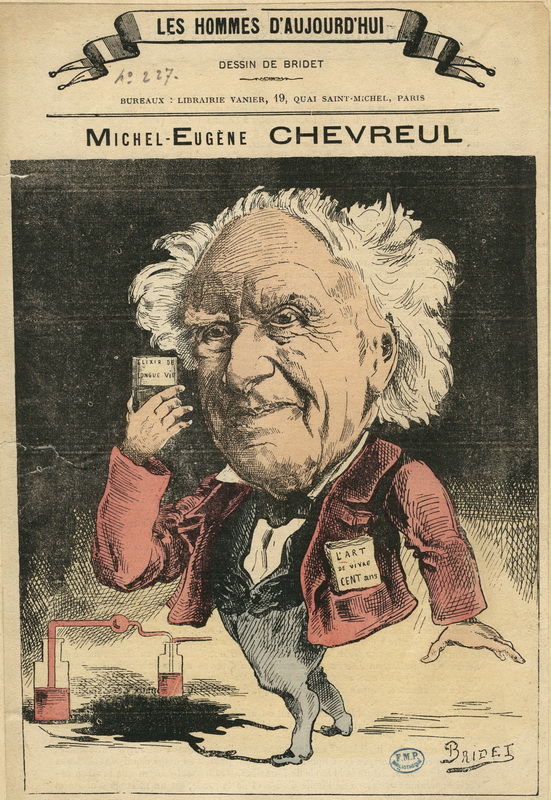
Michel-Eugène Chevreul (1786-1889).

 
BIU Santé Médecine : image CIPB1445.
×Glycol: organic chemical compound comprising two hydroxyl groups (one oxygen atom linked to one hydrogen atom).