Skin-care for women (1)
|
<< < > >> |

|
At the time the first objective of beauty creams was not what cosmetologists try to achieve today. Then, the point was to soften the skin and to fix rice powders and make-up [1] applied
on the skin. Greasy creams were based on vaseline, whose texture was modified by the addition of wax, sperm whale oil [2], glycerin and alcohol. These creams were presented in tin tubes
and their objective was to fight wrinkles. The addition of lanoline [3], whose unpleasant smell had to be covered up, brought freshness to the complexion and guaranteed the adequate
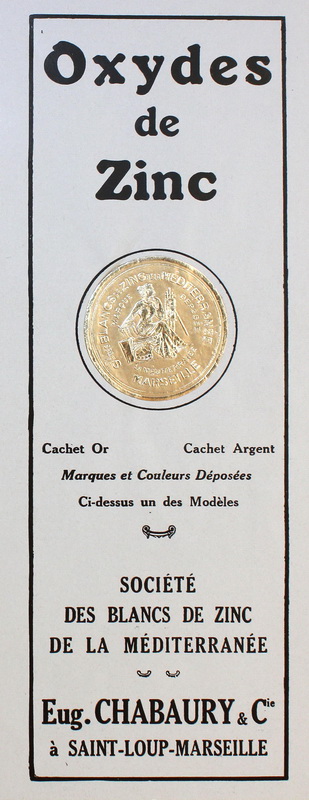
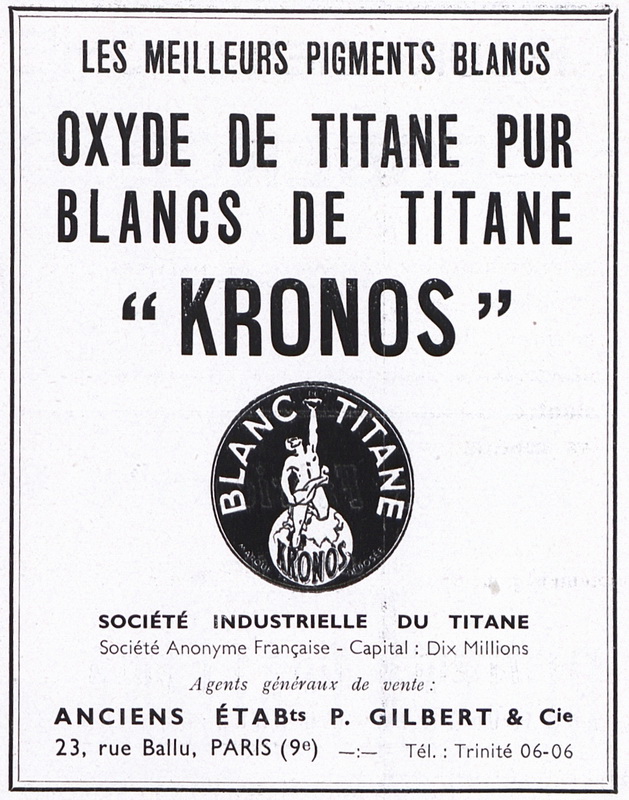
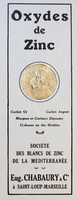
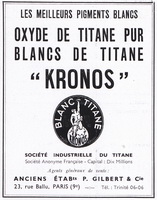
fixation of powders. A mineral pigment, such as zinc oxide, was sometimes present in the formulas; the skin looked whiter and was protected against UVs.
|
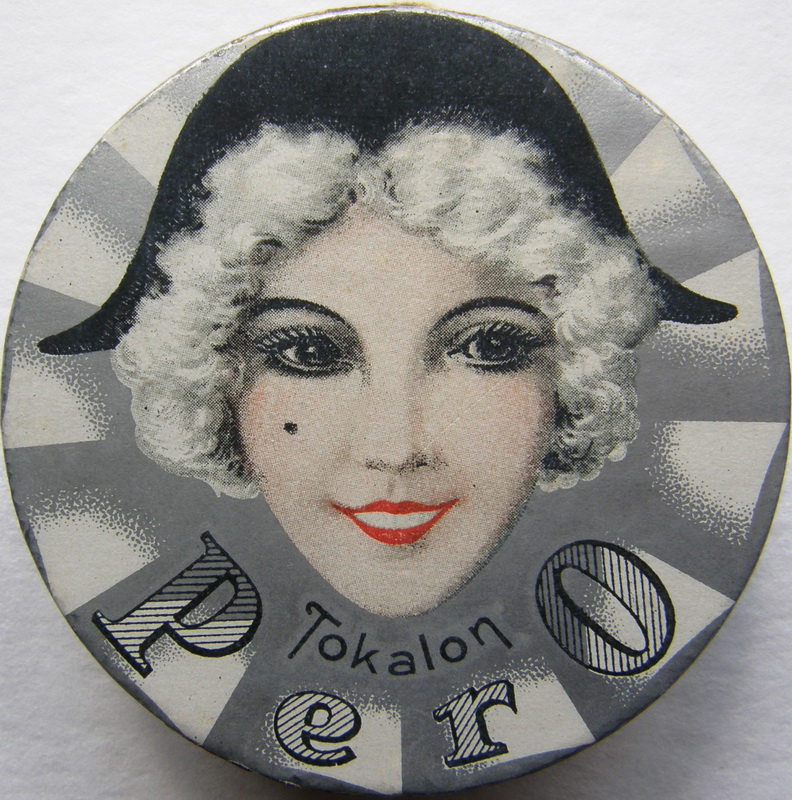
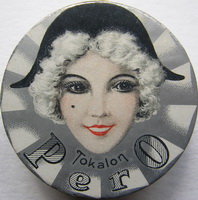
"Pero Tokalon" free powder (1923).
|
| |
| © Collection privée. |
|
|
|
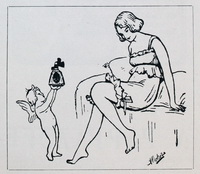
Advertising for "La Reine des crèmes". Parfums de France, 124.
|
| |
| BIU Santé Pharmacie : cote P 15268. |
|
|
|
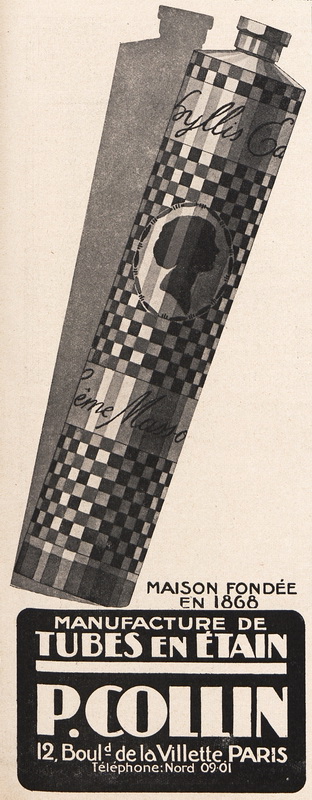
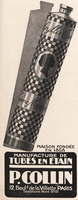
Pewter tube from P. Collin factory. La Parfumerie moderne, 1925.
|
| |
| BIU Santé Pharmacie : cote P 15270. |
|
|
|
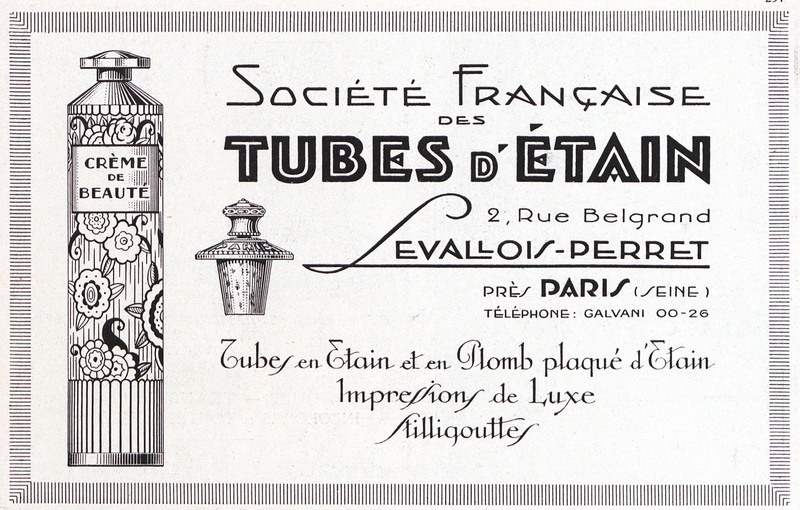
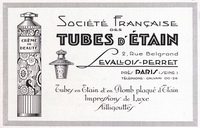
Tin tube from Société française des tubes d’étain. La Parfumerie moderne, 1928.
|
| |
| BIU Santé Pharmacie : cote P 15270. |
|
|
|
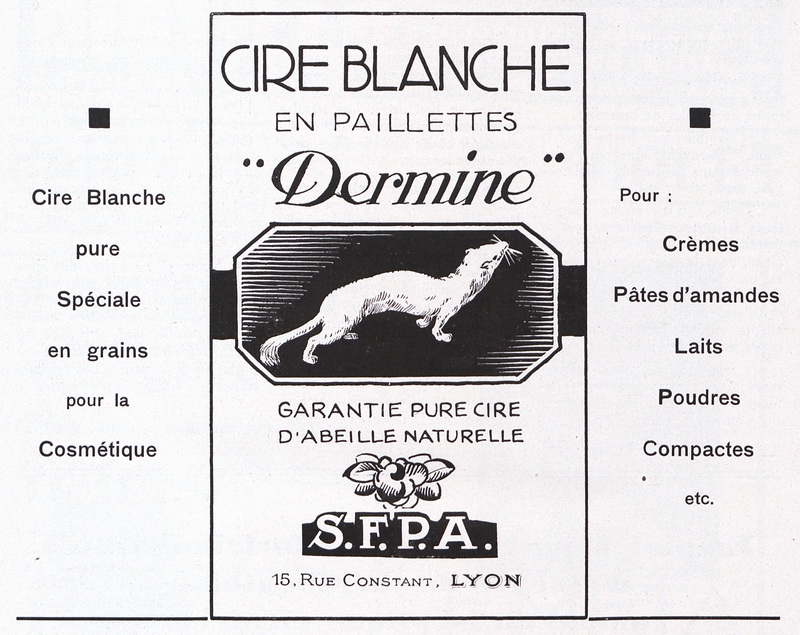
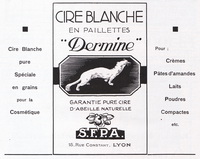
"Dermine" white wax. La Parfumerie moderne, 1931.
|
| |
| BIU Santé Pharmacie : cote P 15270. |
|
|
|
Advertising for products with zinc oxide. Revue des marques françaises: Parfums de France, 1939.
|
| |
| BIU Santé Pharmacie : cote P 15268. |
|
|
|
Advertising for "Kronos" white pigments. La Parfumerie moderne, 1934.
|
| |
| BIU Santé Pharmacie : cote P 15270. |
|
|
|