Skin-care for women (2)

<<  <  >  >> 

English creams, due to their light texture and their hydrating properties, were extremely popular. They contained glyceroled starch [1] and sometimes also zinc oxide and a more or less sophisticated perfume. The base could be stained with eosin [2] (Pink cream), or sienna, or orris root powder to obtain “crème Rachel.”

Saponated creams were a little richer. For instance there were creams with sodium stearate, with glycerin (Reine des crèmes, crème Bossard, Crème idéale) or without glycerin (crème Lakmée). There also were variants with wheat glyceroled starch [1] (Floréine Girard), gelatin or zinc oxide. In order to cover the smell of the oily base, patchouli, heliotropin, rose essences or crimson clover were used.

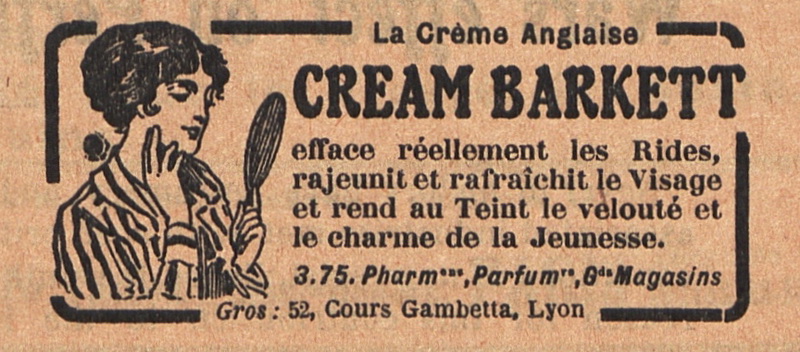
Advertising for "Cream Barkett". La Parfumerie moderne, 1918.

 
BIU Santé Pharmacie : cote P 15270.

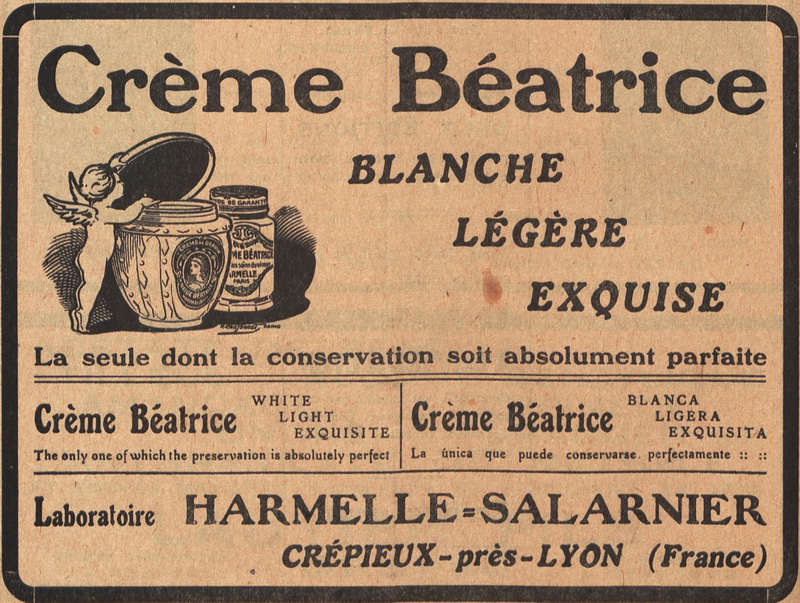
Advertising for "La Crème Béatrice". La Parfumerie moderne, 1920.

 
BIU Santé Pharmacie : cote P 15270.

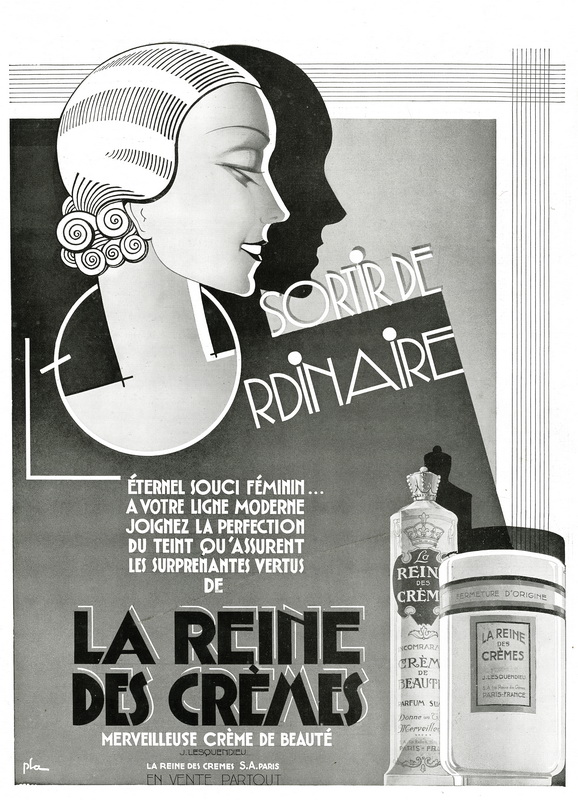
Advertising for "La Reine des Crèmes", 1930.

 
© Collection privée.

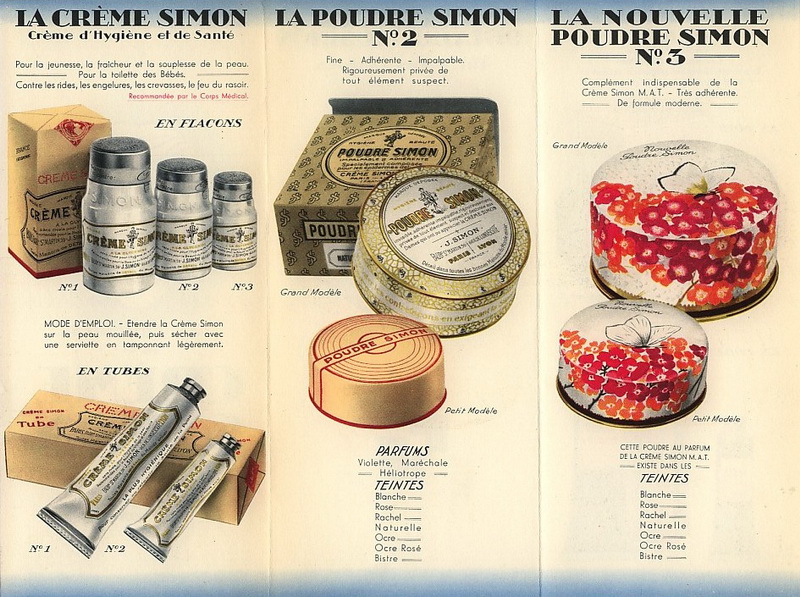
Prospectus for Simon’s creams and powders.

 
© Collection privée.

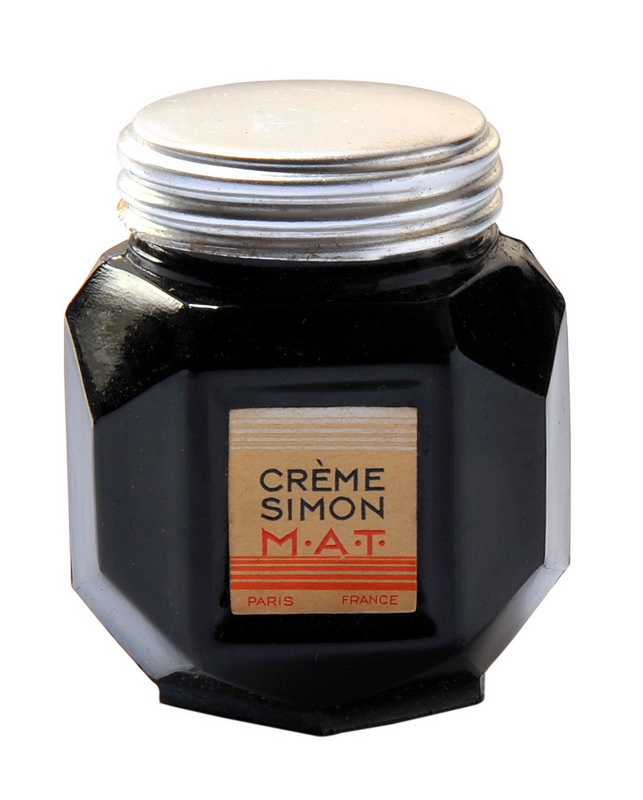
Crème Simon M.A.T.: Mate Active Tonique. A cream for oily skin care. Around 1934.

 
© Collection privée.

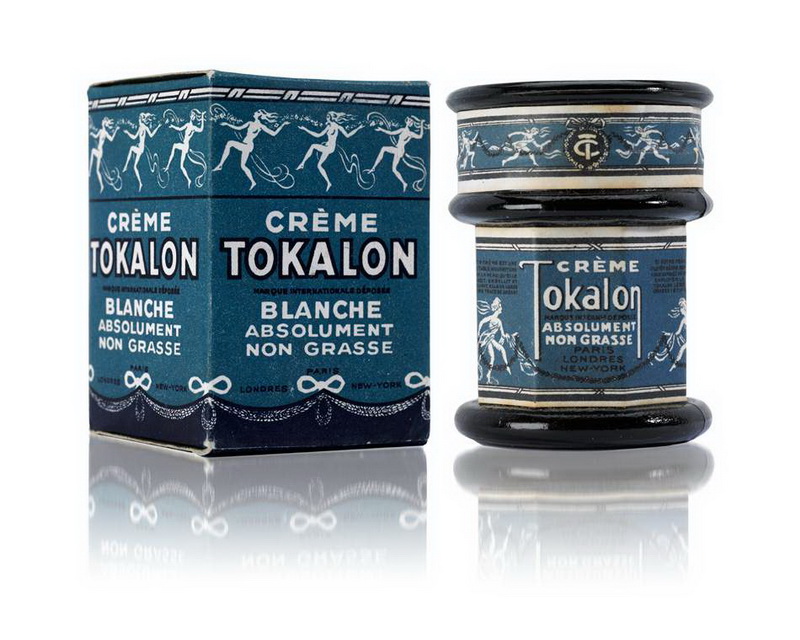
"Crème Tokalon" and its box.

 
© Collection privée.
×Glyceroled starch: semi-solid preparation, translucent starch- and glycerin-based gel, destined to be applied on the skin.
×Eosin: red-orange dye resulting from syntheses with drying properties.