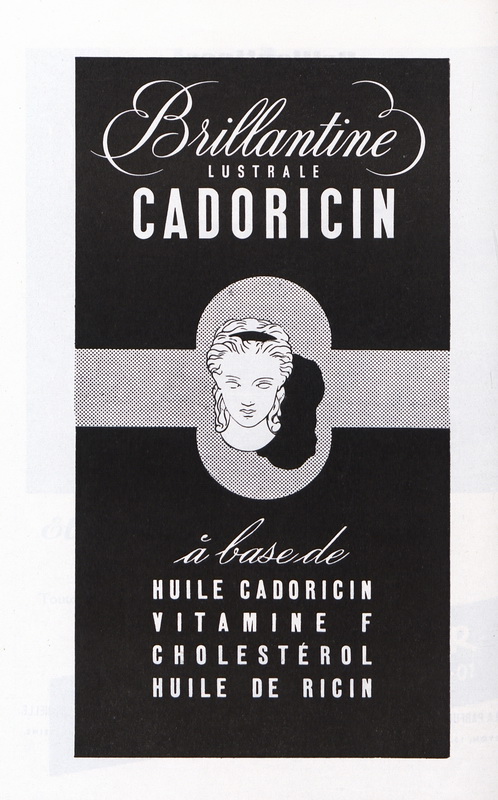
The chemistry of polymers also gave rise to new developments. After the invention of nylon (in 1935), the industry of castor oil, used in brilliantines, led to the industrial development of a polyamide, Rilsan®,
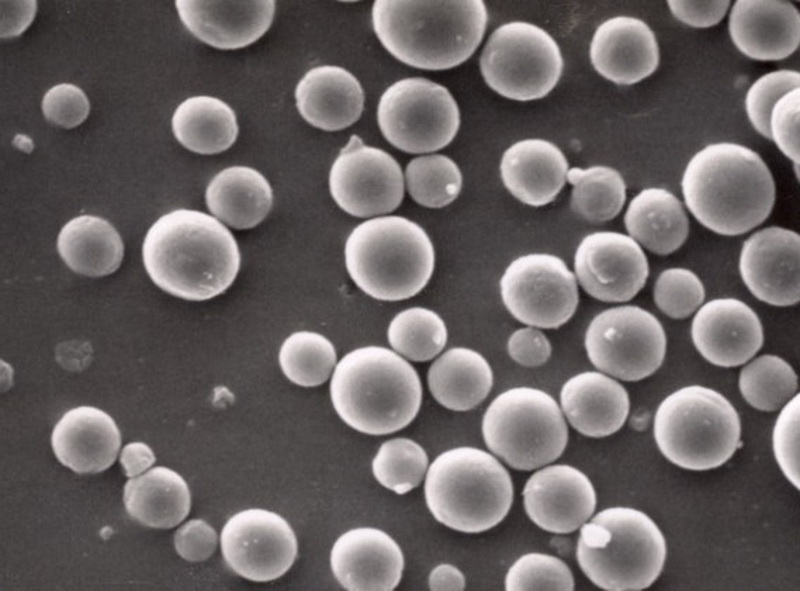
discovered before the war by three chemists working at the Fabrique des produits chimiques in Thann and Mulhouse. Polyamide powders provided care and makeup products with resistance and a soft texture. The diversity of the
chemistry of polymers [1] permitted new galenic forms [2] to be more stable, more filmogenic [3] and more
transparent.
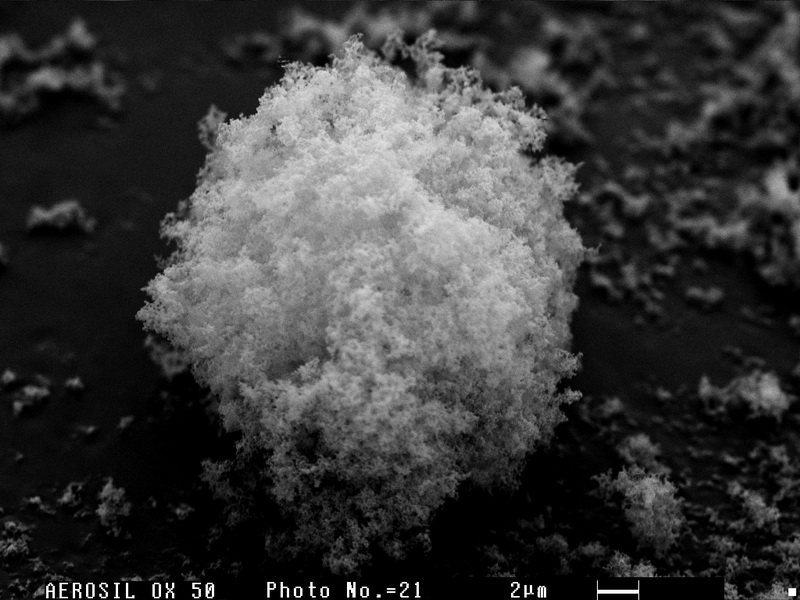
Another novelty appeared in 1970: a colloidal silica with a very large specific surface area, utilized in pharmacy, which was proposed to improve the way powders stay on the skin, transform liquid or thick substances into
powders, and thicken oils.