The notions of active ingredient and vector (1)

<<  <  >  >> 

The skin was no longer perceived as an inert protective envelope, but as a living tissue endowed with biological activity related to other organs – hence the concept of a biologically active cosmetology.

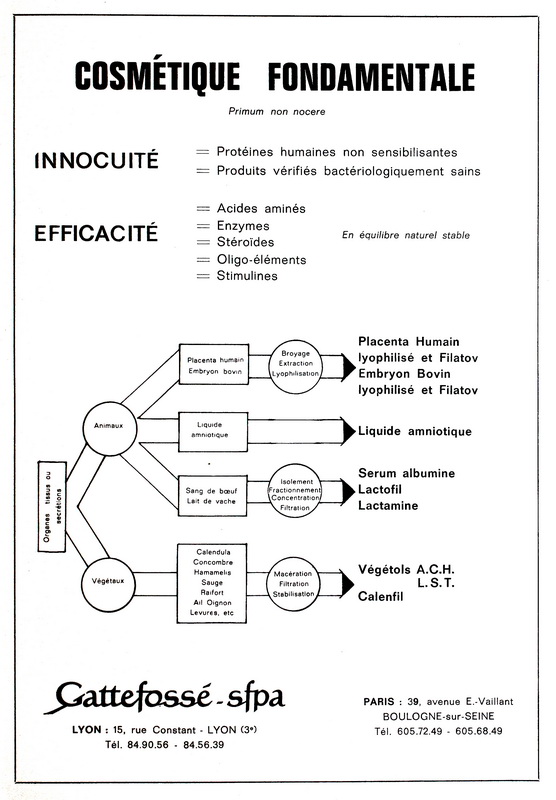
In 1951, Dr. Robert Maurin started applying the findings of Russian scientist Filatov on biostimulins to the human placenta. The idea was to fight against the aging of the epidermis by facilitating “the replacement of older cells by younger cells.” Numerous products were elaborated and “Filatov” extracts were used for over 30 years.

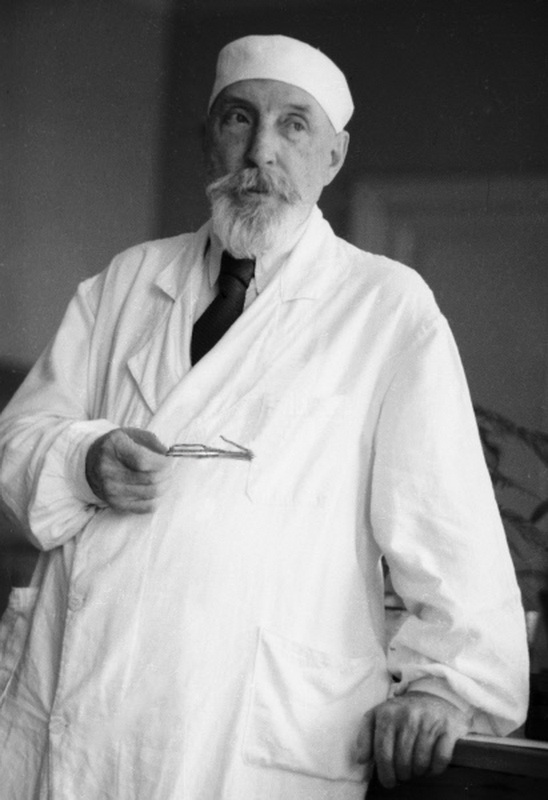
Portrait of Vladimir Petrovich Filatov (1875-1956)

 
Source : Wikimedia.

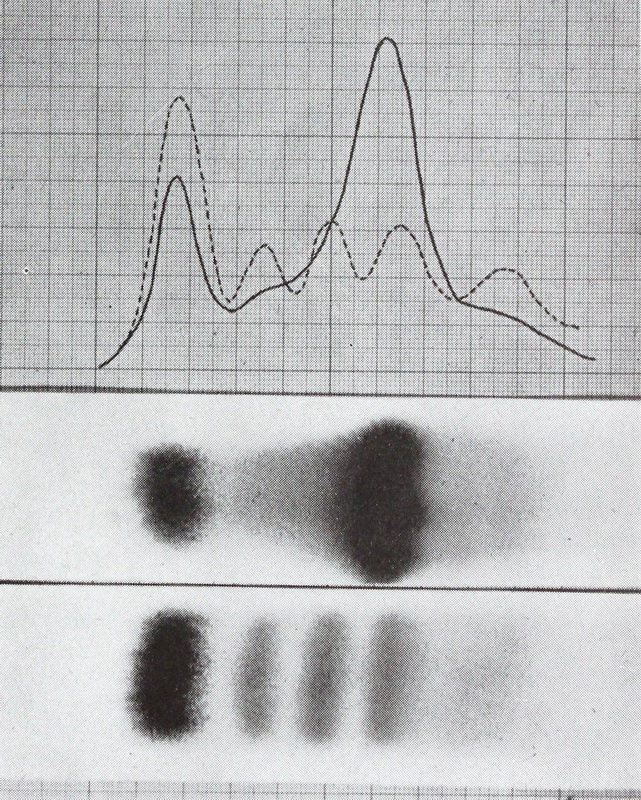
Comparative electrophoresis analysis between complete freeze-dryed extracts (Filatov type) and proteins of human serum. Parfumerie, Cosmétique, Savons, 1960.

 
BIU Santé Pharmacie : P 10167.

Advertising for Gattefossé SFPA "Cosmétique fondamentale" which mentioned Filatov extracts . Annuaire de la Société française de cosmétologie, 1965.

 
BIU Santé Pharmacie : P 31612. © Gattefossé.


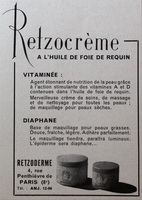
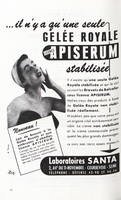
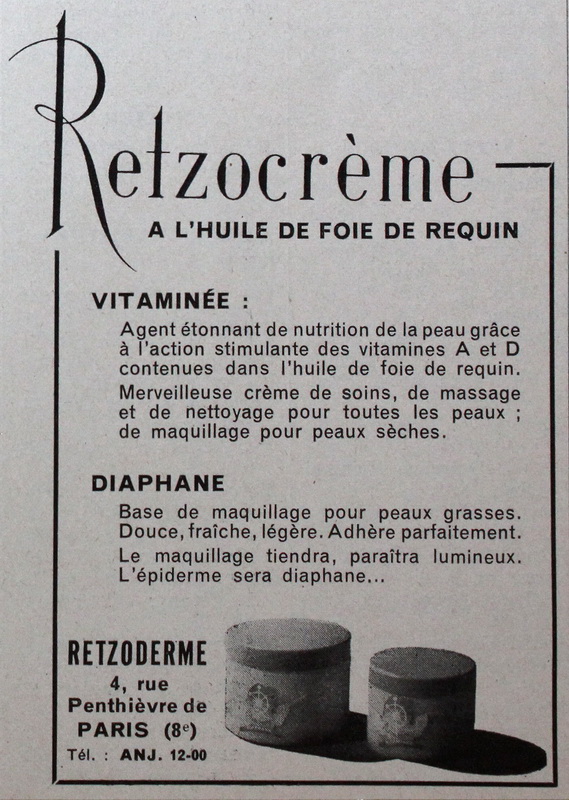
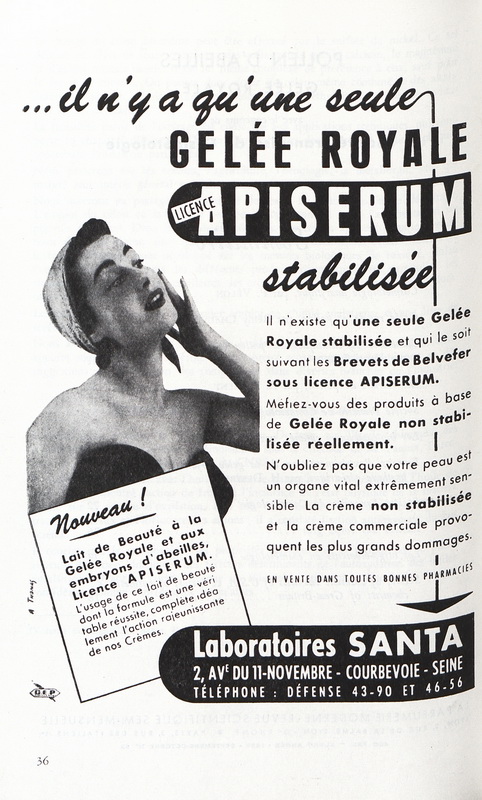
A bit later, astringent hydrolates (distilled waters issued from the maceration of a vegetal in a slightly alcoholic water), with tonic, soothing, emollient and healing properties appeared. Shark oil, royal jelly, allantoin (Comfrey) also became major active ingredients of care products.

Advertising for make-up "Rezocrème" with shark-liver oil. Guide des industries de la parfumerie. Paris: Publi-Guid, 1953-1954.

 
BIU Santé Pharmacie : P 50155-1953/1954.

Advertising for Santa Laboratories cosmetic product with bee products derivatives. La Parfumerie moderne, 1956.

 
BIU Santé Pharmacie : P 15270.