The notions of active ingredient and vector (2)

<<  <  >  >> 

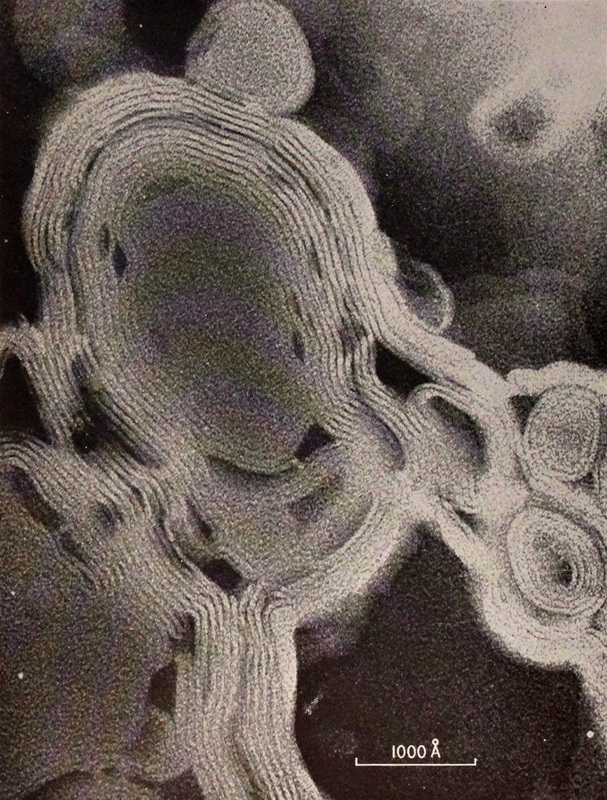
In 1961, Alec Bangham, an English researcher, working on the phospholipids of red cell membranes (lecithins), discovered their spontaneous organization with water. Liposomes were born. Acting as true vectors of active ingredients, they became the object of extensive research and, twenty-five years later, had a huge success in cosmetics.

At the end of the 1980s, research on vectorization gave rise to new systems of encapsulation such as nanocapsules or collaspheres (collagen microspheres) and to polymeric nanoemulsions. Self-guided liposomes, transporting proteins, and chemical function grafting aimed at reaching more directly the targeted cells and thus at improving the efficacy of the transported active ingredients.

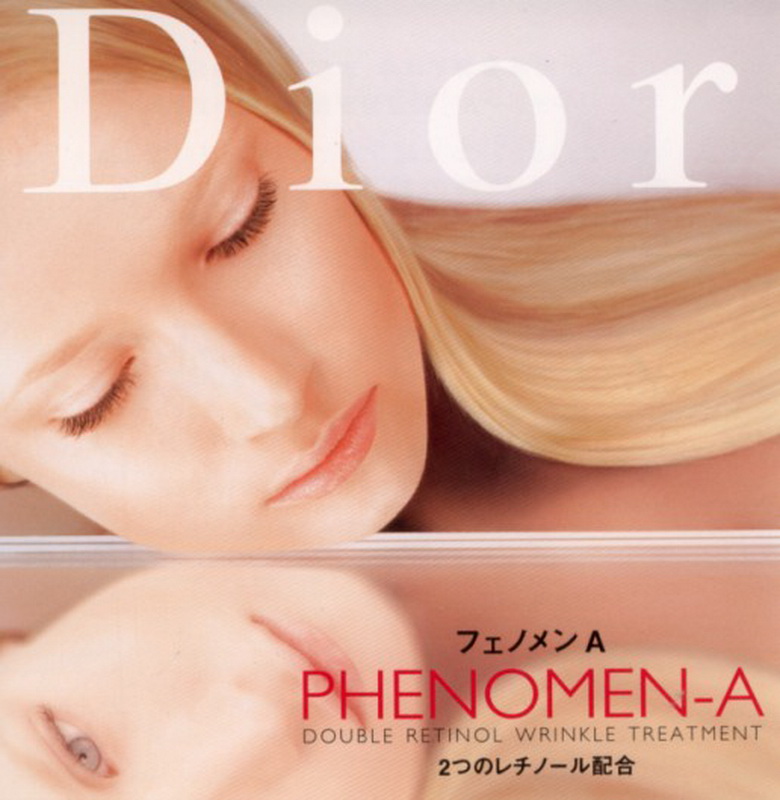
Vitamin A (or retinol) was also the focus of much attention due to its biological activity on wrinkles. In a few years, retinol thus became a major active ingredient in numerous product ranges fighting against photoaging.

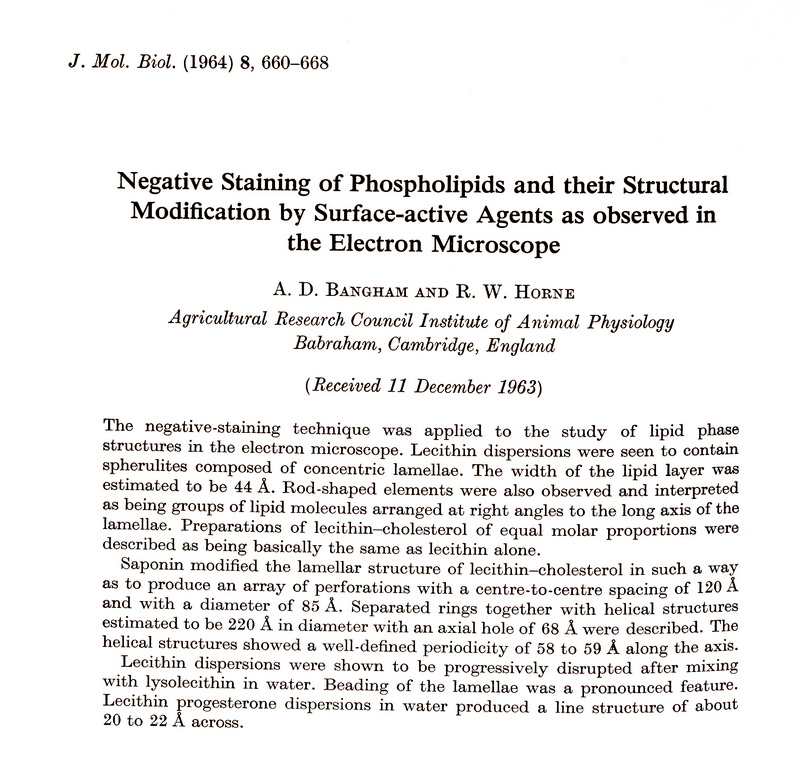
Alec D. Bangham, R.W. Horne. "Negative Staining of Phospholipids and their Structural Modification by Surface-active Agents as observed in the Electron Microscope", Journal of Molecular Biology, vol. 8, 1964, p. 660-668

 
BIU Santé Pharmacie : cote P 10509.

Alec D. Bangham, R.W. Horne. "Negative Staining of Phospholipids and their Structural Modification by Surface-active Agents as observed in the Electron Microscope", Journal of Molecular Biology, vol. 8, 1964, p. 660-668

 
BIU Santé Pharmacie : cote P 10509.
 

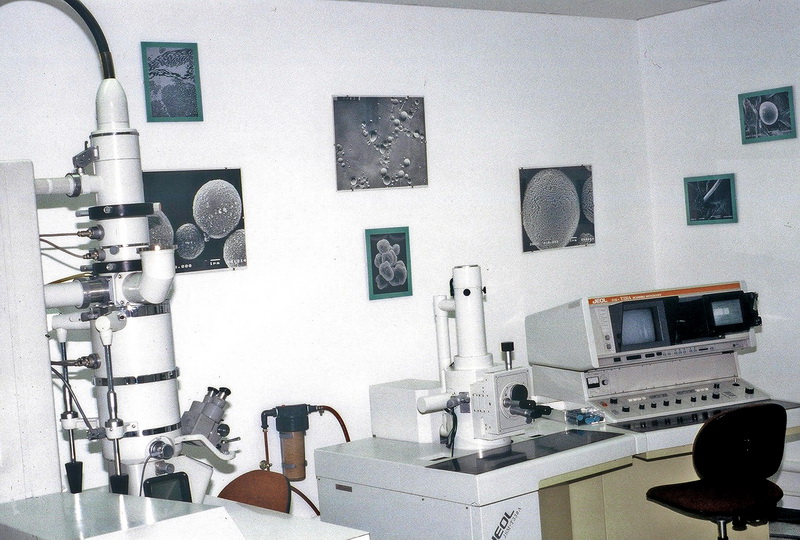
Electron microscopy laboratory. 1995.

 
© LVMH Recherche.

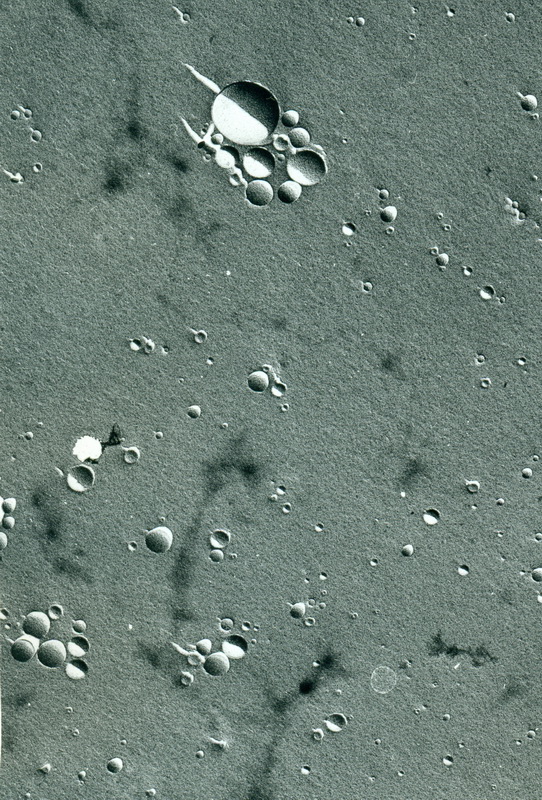
Vegetal lecithin based liposomes in a gel (x 45000). Scanning electron microscopy (freeze fracture).

 
© LVMH Recherche.

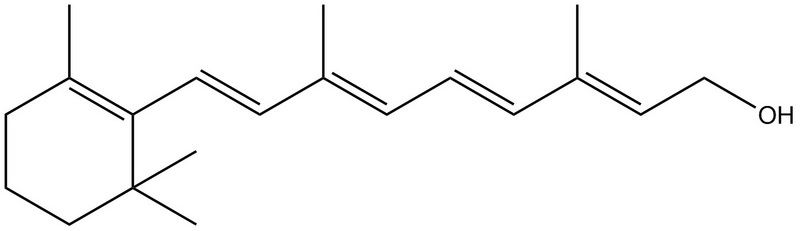
Retinol.


Advertising in japanese for Christian Dior "Phenomen-A" a double retinol anti-wrinkle skin care.

 
© Collection Christian Dior Parfums.

Advertising in japanese for Helena Rubinstein "Power-A" a retinol care for eyes contour.

 
Collection privée. © Helena Rubinstein.