Oils, vegetal extracts (purer or issued from traditional medicines) and vegetal fractions [1] became as many ingredients whose caring activity was determined by in silico tests or
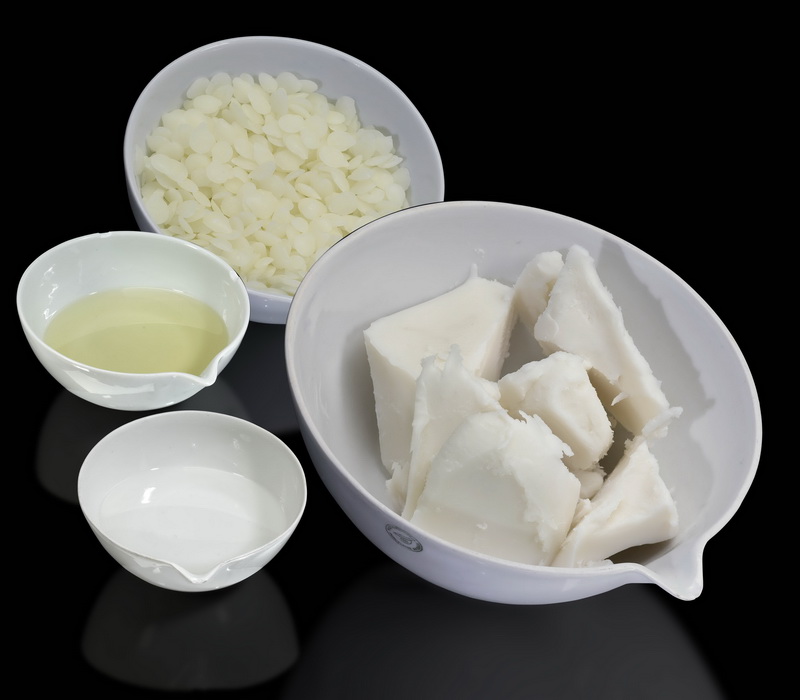
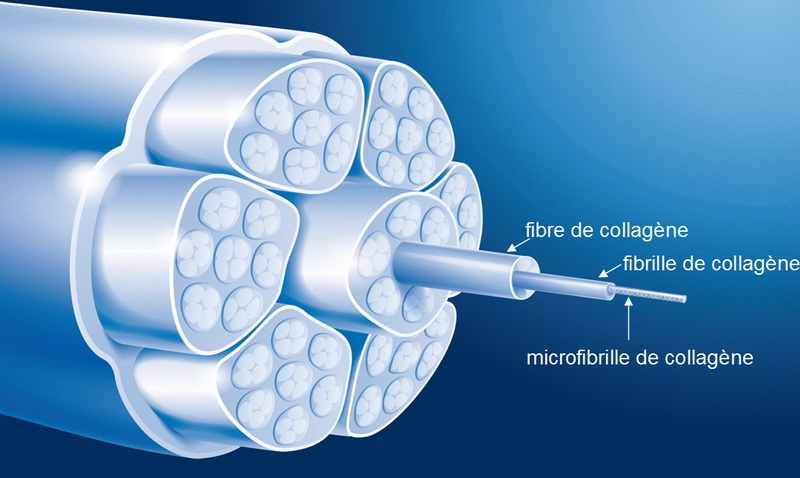
tests on skin cell cultures. Unsaponifiable avocado oil, collagen, RNA [2], shea butter, sorbitol, alpha-bisabolol, amino-acids, jojoba oils, grape seed polyphenols, flower
nectars, beech buds, etc.: the “natural’ aspect of these ingredients was considered as reassuring. For several decades, natural substances and their biological activity were the two pillars of new research.
|

|
Guedu industrial machine for cosmetic industry. 1980.
|
| |
| © De Dietrich Process Systems Semur. |
|
|
|
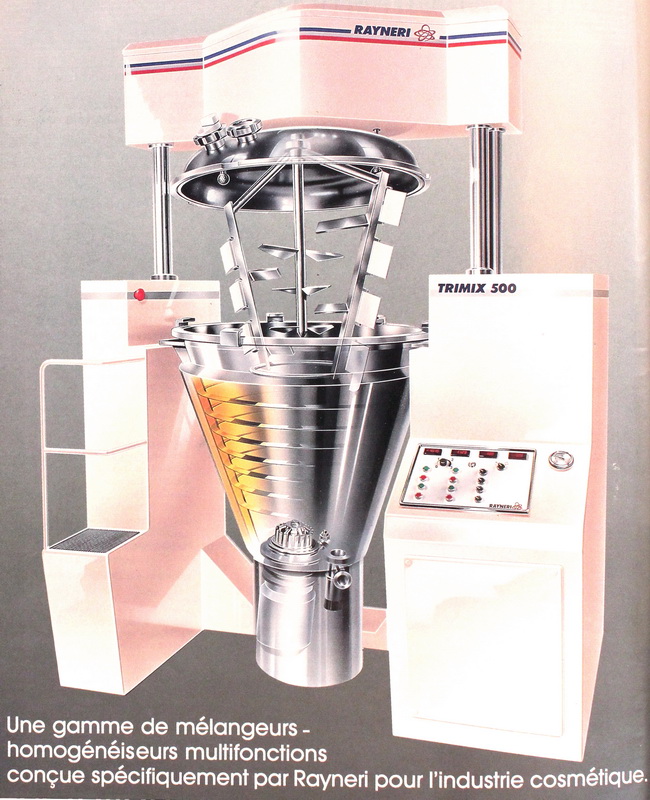
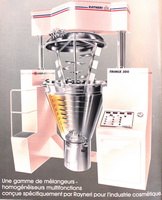
Rayneri TRIMIX industrial mixer. Parfums, Cosmétiques, Arômes, 1991.
|
| |
| BIU Santé Pharmacie : P 10167. |
|
|